


Water security
WATER = LIFE
“Water is essential for life. No living being on planet Earth can survive without it. It is a prerequisite for human health and well being as well as for the preservation of the environment”
United Nations, 2005


By 2030 the world will need 40% more water
“The planet is facing a 40% shortfall in water supply by 2030, unless we dramatically improve the management of this precious resource”
United Nations Educational, Scientific and Cultural Organization (UNESCO), 2015

“Thousands have lived without love, not one without water”
W.H. Auden
80% OF THE WORLD’S WATER IS NOT SECURE
“80% of the world’s population lives in areas where the fresh water supply is not secure”
Nature Journal, 2010

WATER SCARCITY AFFECTS 1.6 BILLION
“1.6 billion people live in countries with absolute water scarcity”
United Nations, 2006

Aquifiers
Learn about the problems with unsustainable withdrawal from aquifiers.


Polluted Waters
Learn about who we are affected by water pollution.
All life on Earth is threatened
2006
Water scarcity affects 1.6 billion
“1.6 billion people live in countries with absolute water scarcity”
United Nations, 2006

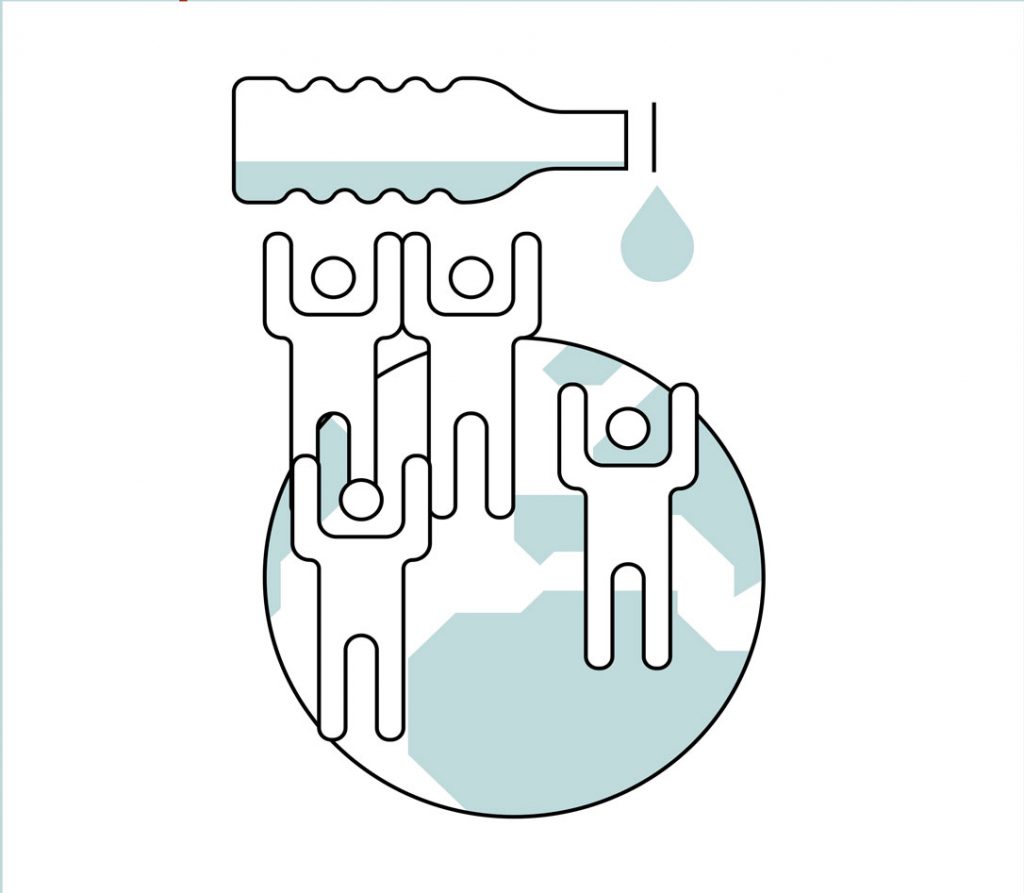
2020
250 million additional people to face climate change water stress by 2020
“By 2020, between 75 and 250 million of people are projected to be eRead morexposed to increased water stress due to climate change”
Intergovernmental Panel on Climate Change, 2007
2020
135 Million climate refugees by 2020
“By 2020 an estimated 60 million people could move from desertified areas of sub-Saharan Africa towards North Africa and Europe, and worldwide, 135 million people could be placed at risk of being uprooted by desertification”
United Nations, 2006


2025
By 2025 two-thirds of the world will face water shortages
“At the current consumption rate, this situation will only get worse. By 2025, two-thirds of the world’s population may face water shortages. And ecosystems around the world will suffer even more”
WWF, 2015
2030
World will have only 60% of required water by 2030
“The world will have only 60% of the water it needs in just 15 years unless countries dramatically change their use of the resource”
International Business Times, 2015

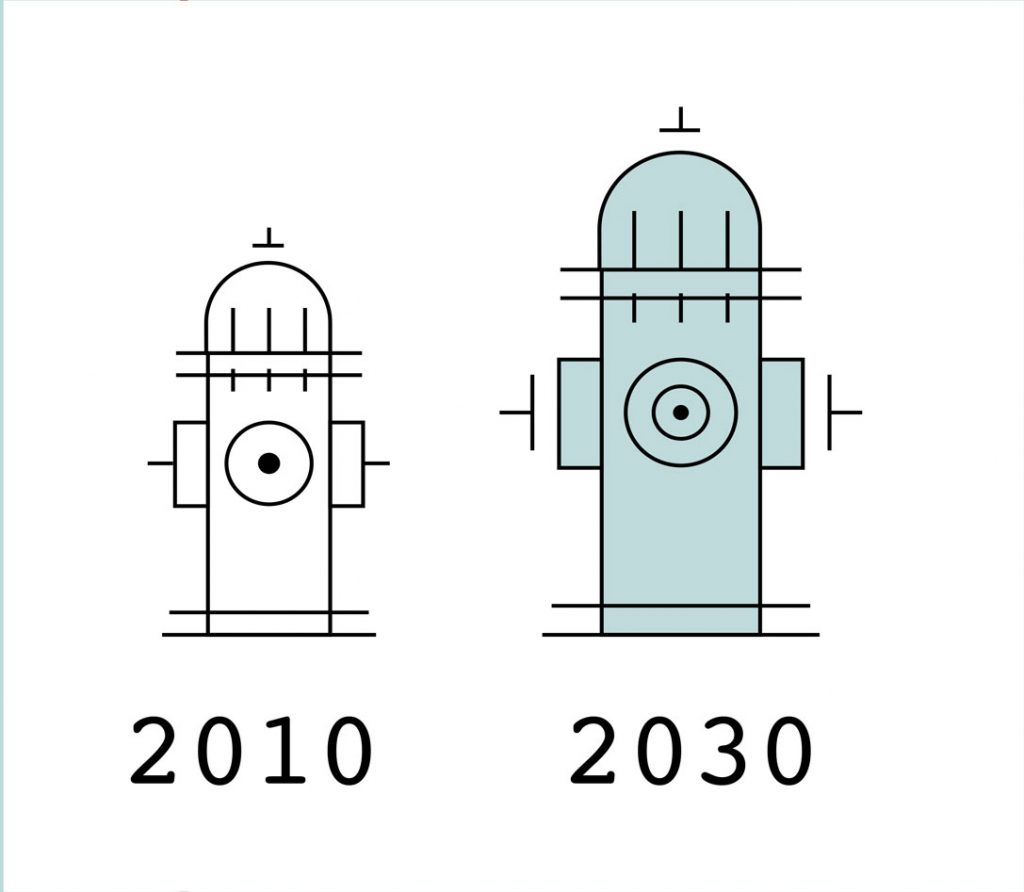
2030
Global water demand to increase 30% by 2030
“The world’s demand for fresh water is projected to increase by over 30% by 2030”
WWF, 2010
2030
Half the world will experience water stress by 2030
“By 2030, 47% of the world’s population will be living in areas of high water stress
United Nations Water, 2012

2050
Hacked nestle document projects 1/3 of the world to face water scarcity by 2025, with the situation turning catastrophic by 2050
“World on ‘catastrophic’ path to run out of fresh water, increased meat consumption in the developing world is fast depleting fresh water supplies, according to a secret report first released by WikiLeaks… [The] secret US report titled “Tour D’Horizon with Nestle: Forget the Global Financial Crisis, the World Is Running Out of Fresh Water…Nestle thinks one-third of the world’s population will be affected by fresh water scarcity by 2025, with the situation only becoming more dire thereafter and potentially catastrophic by 2050… In private, Nestle executives told US officials that the world is on a collision course with doom because non-Americans eat too much meat””
United Nations, 2006
WATER PROJECTION MAPS
“Future drought. These four maps illustrate the potential for future drought worldwide over the decades indicated, based on current projections of future greenhouse gas emissions”
University Corporation for Atmospheric Research, 2010

Humans will survive only if we reduce animal foods by 75% by 2050
“There will not be enough water available on current croplands to produce food for the expected 9 billion population in 2050 if we follow current trends and changes towards diets common in western nations”
Stockholm International
Water Institute (SIWI), 2012


Animal products must not exceed 5% of global calories
“There will be just enough water (by 2050), if the proportion of animal based foods is limited to 5% of total calories”
Stockholm International
Water Institute (SIWI) 2012
Going vegan saves 600 gallons daily
“A person who doesn’t eat meat or dairy, indirectly consumes nearly 600 gallons of water per day less than a person who eats the average American diet”
National Geographic, 2015


Vegetarian diet saves 1300 litres per day
“Water demand is reduced by 36% by eating products of vegetable origin”
Twente Water Centre, 2012

Worst water pollution solved by not eating meat
“The largest challenges are to manage nitrogen better in agriculture and to moderate Europeans’ consumption of animal protein. Amazingly, livestock consume around 85% of the 14 million tonnes of nitrogen in crops harvested or imported into the EU; only 15% is used to feed humans directly. European nitrogen use is therefore not primarily an issue of food security, but one of luxury consumption”
European Nitrogen Assessment, 2011

A soy burger uses 158 litres; a beef burger uses 2,350 litres
“Water footprint for 150 gram soy burger in Belgium is 158 litres, vs. a global average of 2350 litres of water for 150 gram beef burger”
UNESCO-IHE, 2011

Go vegetarian to avoid catastrophic water shortages
“ The world’s population may have to switch almost completely to a vegetarian diet over the next 40 years to avoid catastrophic [water] shortages. Humans derive about 20% of their protein from animal-based products now, but this may need to drop to just 5% to feed the extra 2 billion people expected to be alive by 2050”
The Guardian, 2012
